.jpg)
The Importance of Professional Broadcasting Tools and Equipment
When it comes to running a successful radio station or internet broadcast, the gear you use matters a lot. The quality of your sound, the reliability of your stream, and the overall experience you deliver to your listeners all depend on the tools and equipment behind the scenes. I’ve seen firsthand how investing in the right broadcasting tools and equipment can transform a station’s output and help it grow its audience.
In this post, I want to share why having the right setup is so important, what you should consider when choosing your gear, and how it can make a real difference in your broadcast quality and reach.
Why Broadcasting Tools and Equipment Matter
Broadcasting is all about communication. Your goal is to connect with your audience clearly and professionally. If your equipment is outdated or low quality, it can cause problems like poor sound, interruptions, or even technical failures. These issues can turn listeners away and hurt your station’s reputation.
Good broadcasting tools and equipment help you:
Deliver clear, crisp audio that keeps listeners engaged.
Maintain a stable and reliable broadcast without unexpected downtime.
Easily manage your content and programming with user-friendly controls.
Adapt to different formats, whether it’s live talk shows, music, or interviews.
Scale your operations as your station grows.
For example, a high-quality microphone can capture your voice with clarity and warmth, making your show sound more professional. A reliable audio mixer lets you balance sound levels smoothly, avoiding sudden volume spikes or drops. And a sturdy transmitter or streaming server ensures your broadcast reaches your audience without interruption.
Key Broadcasting Tools and Equipment You Should Consider
Choosing the right tools depends on your station’s size, format, and budget. However, some core equipment is essential for any broadcast setup:
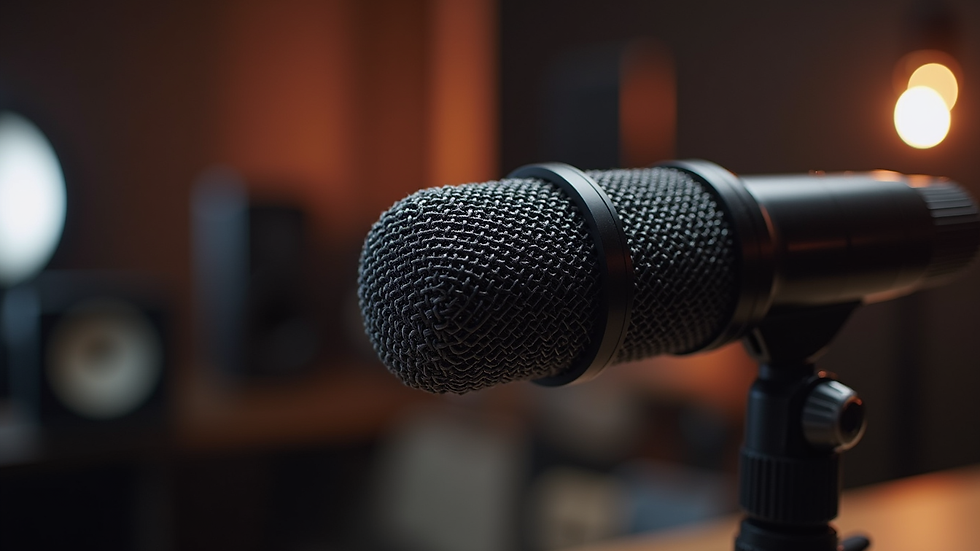
Microphones - The heart of your audio quality. Look for dynamic or condenser mics designed for broadcast use.
Audio Mixers - These let you control multiple audio sources, adjust levels, and add effects.
Headphones - For monitoring your sound and ensuring everything sounds right on air.
Transmitters or Streaming Servers - Depending on whether you broadcast over the air or online, these devices send your signal to listeners.
Audio Processors - These improve sound quality by balancing frequencies and controlling volume.
Recording Devices - Useful for archiving shows or creating podcasts.
Cables and Connectors - Don’t overlook quality cables; poor connections can cause noise or dropouts.
Investing in durable, reliable equipment saves you time and money in the long run. It reduces the risk of technical issues and helps you maintain a professional image.
What Equipment is Needed for Radio Broadcasting?
If you’re setting up a radio station, here’s a more detailed look at the essential equipment:
Broadcast Microphone: A good mic is non-negotiable. It should capture your voice clearly and reject background noise.
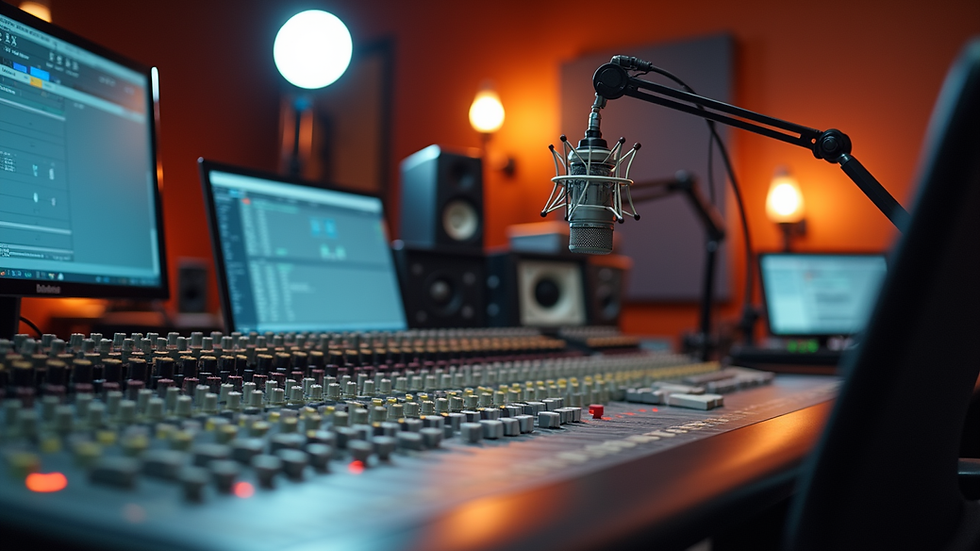
Mixer Console: This is where you blend different audio sources like microphones, music players, and phone calls.
Audio Processor: It ensures your broadcast sounds consistent and polished.
Transmitter: This device sends your signal over the airwaves to radios in your area.
Antenna: Works with the transmitter to broadcast your signal effectively.
Studio Monitors and Headphones: For accurate sound monitoring.
Broadcast Automation Software: Helps schedule and manage your shows.
Telephone Hybrid: If you take live calls on air, this device connects phone lines to your mixer.
Each piece plays a vital role in delivering a smooth, professional broadcast. Skimping on any of these can lead to poor sound or technical problems.
How Professional Broadcast Equipment Enhances Your Station
Using professional broadcast equipment is more than just a technical upgrade. It’s an investment in your station’s future. Here’s how it helps:
Improved Sound Quality: Listeners notice the difference when your audio is clear and balanced. It makes your content more enjoyable and credible.
Greater Reliability: High-quality gear is built to last and handle the demands of daily broadcasting. This means fewer breakdowns and less downtime.
Easier Operation: Professional equipment often comes with intuitive controls and features that simplify your workflow.
Flexibility: As your station grows, you can add new equipment or upgrade existing gear without starting from scratch.
Better Listener Experience: When your broadcast sounds great and runs smoothly, your audience is more likely to stay tuned and recommend your station.
For example, a reliable streaming server can handle thousands of listeners without crashing, helping you expand your reach globally. A professional microphone can reduce background noise, making interviews and live shows sound crisp and clear.
Tips for Choosing the Right Broadcast Equipment
Selecting the right tools can feel overwhelming, but here are some practical tips to guide you:
Assess Your Needs: Think about your station’s format, audience size, and budget. What features are must-haves? What can you add later?
Prioritize Quality Over Price: It’s tempting to go for cheaper gear, but investing in quality pays off with better performance and fewer issues.
Look for Compatibility: Make sure new equipment works well with what you already have.
Read Reviews and Get Recommendations: Learn from other broadcasters’ experiences.
Test Before You Buy: If possible, try out equipment to see how it performs in your environment.
Plan for Growth: Choose gear that can scale with your station’s future needs.
By following these steps, you’ll build a solid foundation that supports your broadcast goals.
Keeping Your Broadcast Equipment in Top Shape
Once you have the right tools, maintaining them is key. Regular care helps prevent failures and extends the life of your gear:
Clean microphones and mixers regularly to avoid dust buildup.
Check cables and connectors for wear and replace them as needed.
Keep software and firmware updated.
Store equipment properly when not in use.
Schedule routine inspections and servicing.
Good maintenance routines save you from unexpected breakdowns and costly repairs.
Moving Forward with Confidence
Investing in the right broadcasting tools and equipment is a smart move for any station aiming to deliver high-quality content and grow its audience. It’s about more than just technology - it’s about creating a reliable, professional experience that keeps listeners coming back.
Whether you’re upgrading your current setup or starting fresh, focus on quality, reliability, and ease of use. With the right gear, you’ll be well-equipped to face the challenges of broadcasting and seize new opportunities.
Remember, your broadcast is only as good as the equipment behind it. Choose wisely, maintain well, and watch your station thrive.
If you want to explore top-tier options, check out professional broadcast equipment that can help you elevate your station’s sound and reliability.


Comments